Interiors · Collection
Knoll Chermayeff Storage: Florence Knoll's Credenzas, Taken for a Walk
The Berlin architect Sam Chermayeff gives Florence Knoll's 1961 credenzas new scales, new uses and three new lacquers. Knoll calls the result adaptive reuse.
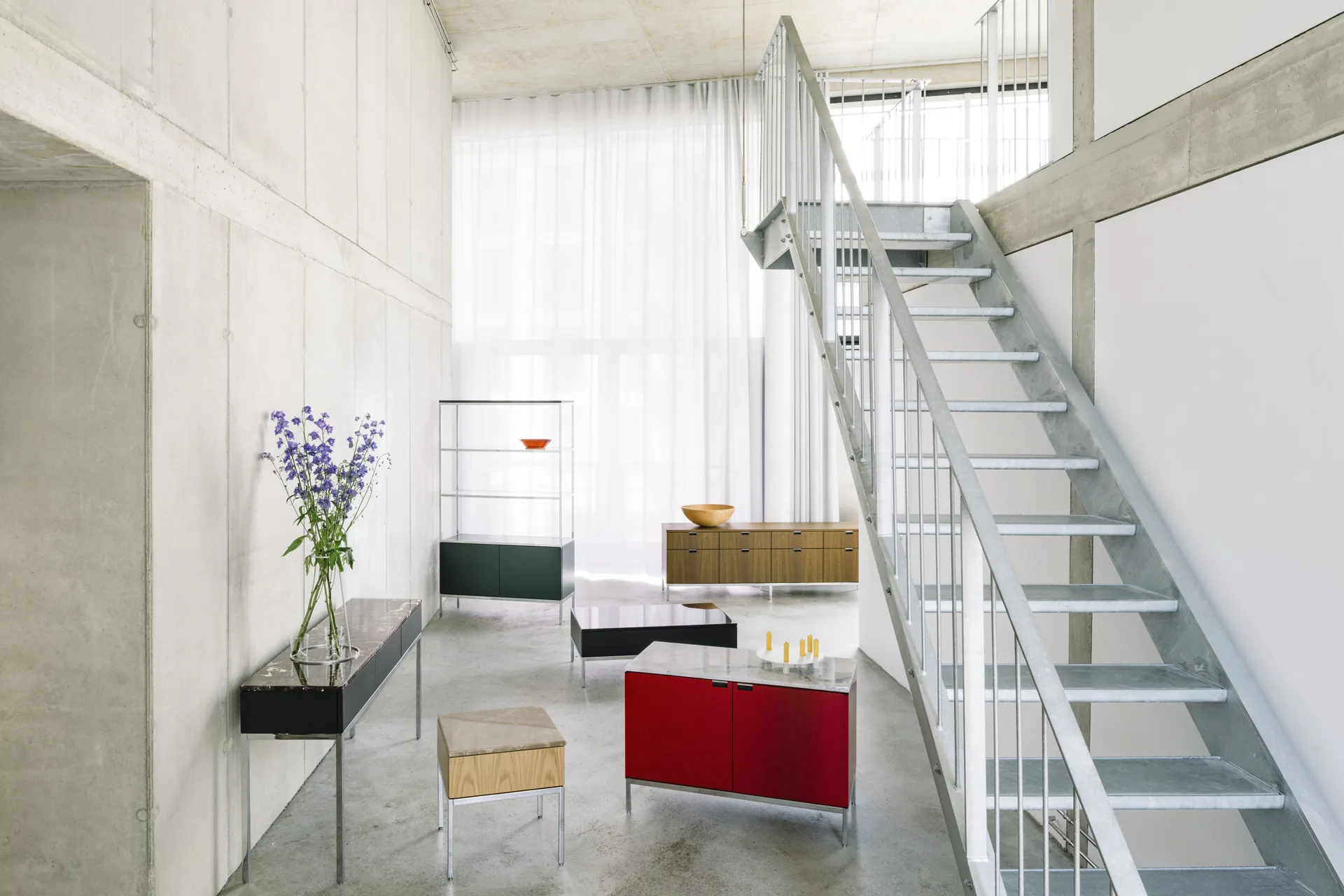
Florence Knoll's credenzas of 1961 are among the quiet classics of modern furniture: low, exact, built of steel, veneer and marble. Now Knoll has asked an architect to take them further. Knoll Chermayeff Storage, presented on 23 September 2026, is a collection by Sam Chermayeff that carries Florence Knoll's design principles into contemporary living.
A pioneer's grammar
Florence Knoll helped shape the modern workplace with clean architectural solutions that changed how space was planned. She believed that furniture should shape architecture rather than simply occupy it, and Knoll says that philosophy still guides the brand. Her credenzas can be read as the purest form of the idea: furniture that behaves like a wall, a sill or a datum line.
Chermayeff starts from the rigour of her 1961 credenzas and adds new forms for the way people live now. The aim, as Knoll describes it, is a group of designs that encourages more fluid ways of living and working.
I love this system for being able to withstand a lot of different expressions.
Sam Chermayeff
Storage as a backdrop
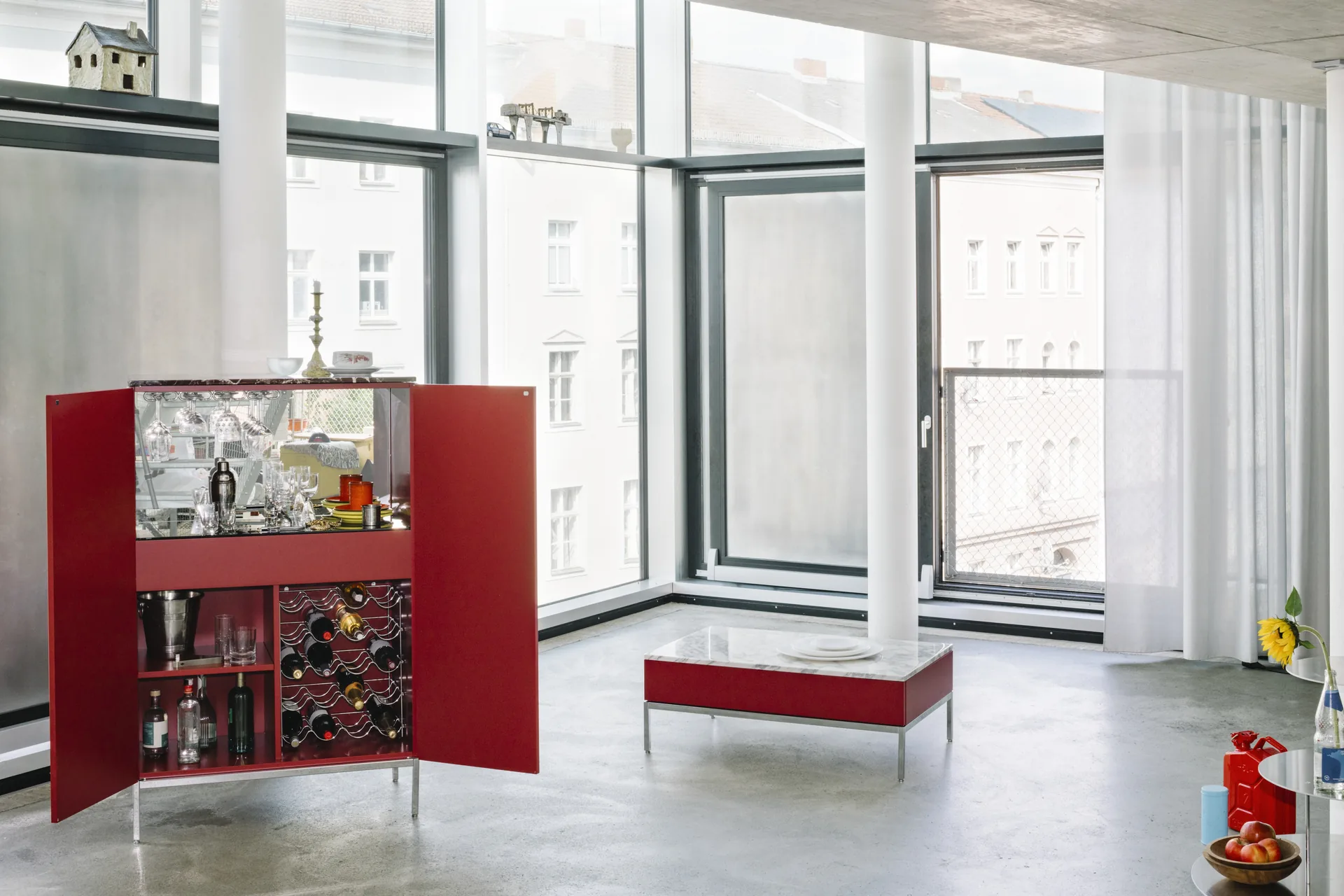
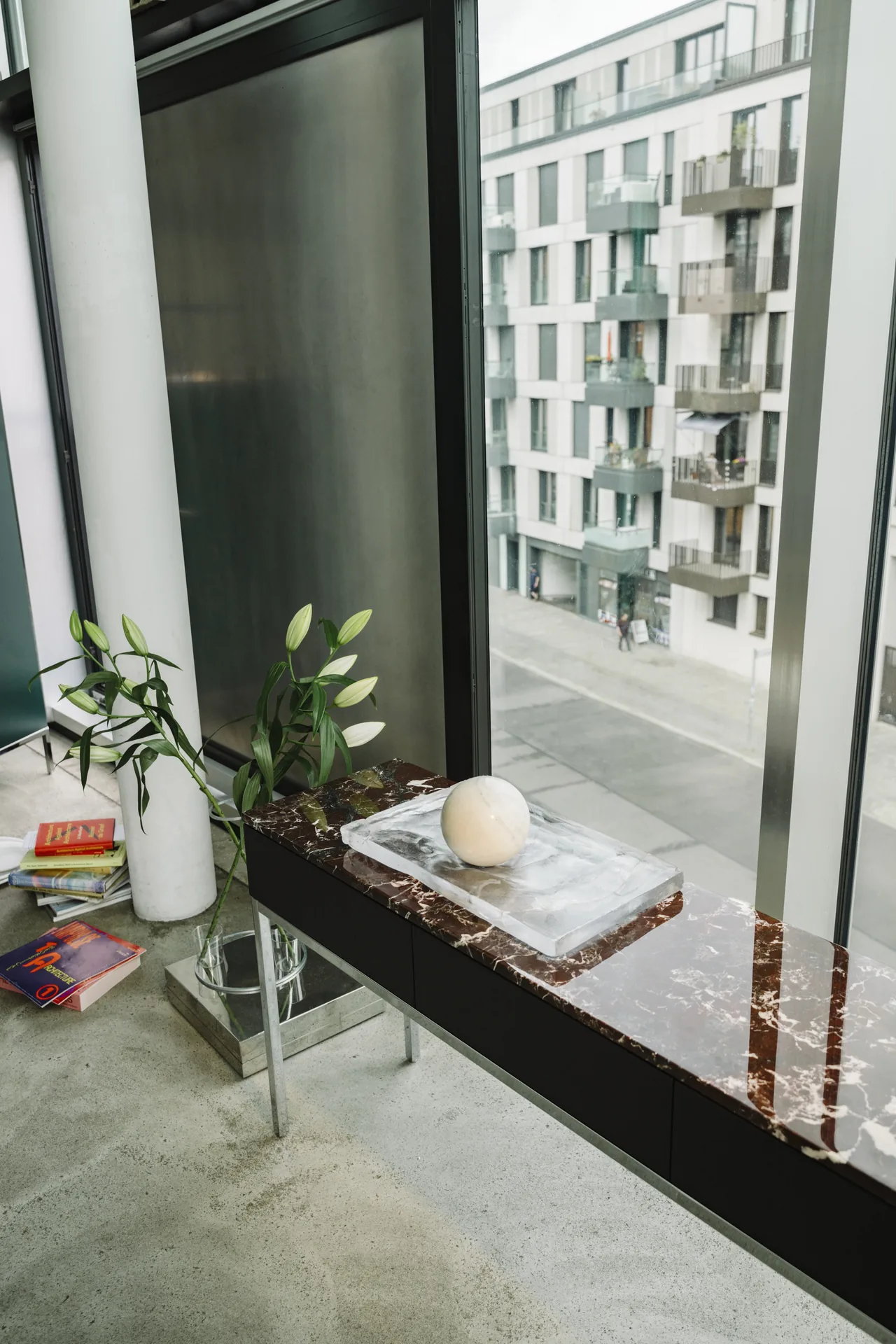
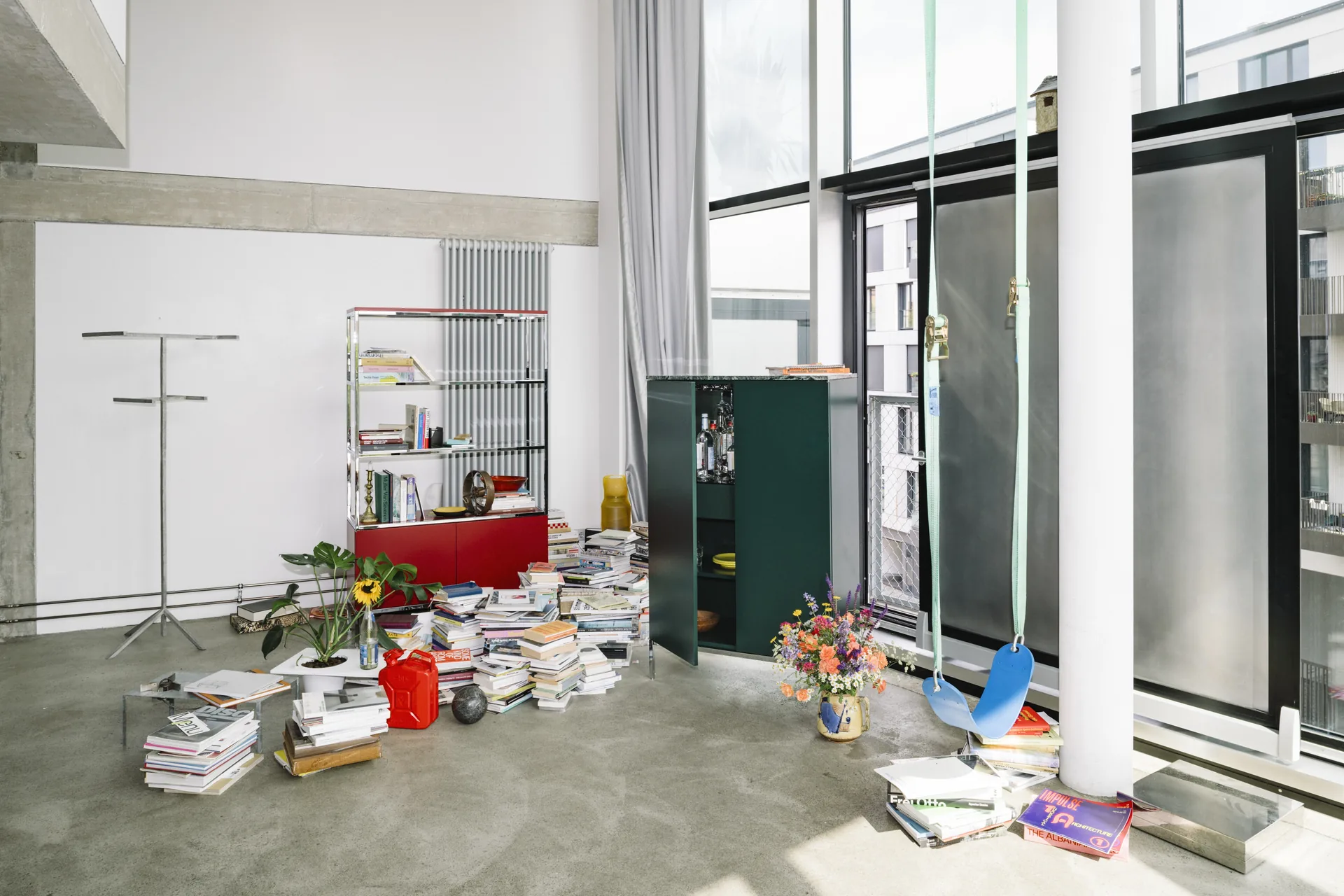
Chermayeff's interest in community and shared living shows in how the collection treats storage. It is not presented as a place to hide things but as a curated backdrop for personal objects, books and artefacts. Tall open shelving draws the eye upward and gives a room architectural weight. A bar cabinet is both practical storage and a focal point for entertaining. The coffee table, side table and console table have integrated drawers.
The palette is new as well. Among the finishes are three lacquers named Dark Red Ultra, Dark Python and Iris, which open the strict Knoll vocabulary to far more personal rooms.
A third category
Knoll's Creative Director Jonathan Olivares puts the project in an interesting place. Furniture launches, he says, are usually either entirely new designs or restorations of historic pieces, relaunched or offered in new colours and finishes. By giving Florence Knoll's credenzas new scales and typologies, built with Knoll's construction logic of steel, veneer and marble, Chermayeff reinterprets an icon rather than restoring it.
The result introduces a new third category: adaptive reuse.
Jonathan Olivares, Creative Director, Knoll
Architects use that term for buildings that find a new life with a new purpose. Applied to a sideboard it is a useful idea for anyone furnishing a house: keep the proportions that work, change what they are asked to do.
The architect and the family name
Sam Chermayeff was born in the United States, trained in Texas and London and works in Berlin. He is a founding partner and director of the architecture practices June 14 Meyer-Grohbrügge & Chermayeff and Sam Chermayeff Office. His tie to Knoll is personal: his father, Ivan Chermayeff, led the Knoll rebranding and its graphic standards in the early 1990s together with Tom Geismar.
Knoll itself was founded in New York City in 1938. Its portfolio runs from Eero Saarinen, Marcel Breuer and Ludwig Mies van der Rohe to contemporary designers such as Willo Perron, Jonathan Muecke and the practice Johnston Marklee.