Architecture · Daylight
The Twelve Metre Rule
Daylight reaches about two and a half times the head height of a window into a room. Every dark house you have ever stood in ignored that number.
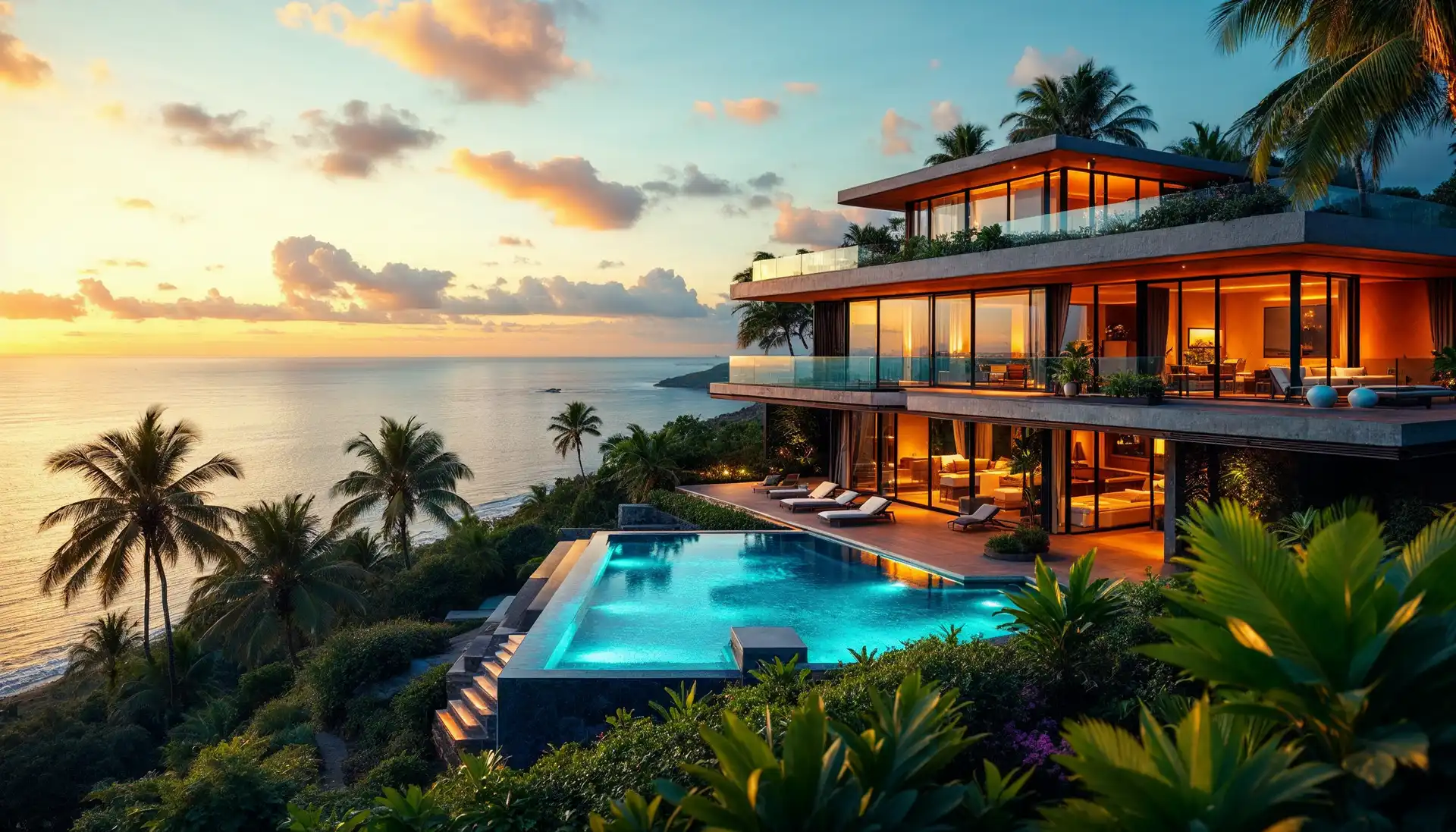

There is a rule of thumb that predicts, with unreasonable accuracy, whether a room will feel bright or grim. Useful daylight penetrates roughly 2 to 2.5 times the height of the window head above the floor. A standard 2.1 metre door head lights about 5 metres of room. A 3 metre head lights 7.
Everything beyond that line is lit by lamps, whatever the window area says.
Why a deep plan goes dark
Double the width of a window and the far end of the room stays exactly as dark as it was. Raise the head by half a metre and the whole depth improves. Daylight is a geometry problem, not an area problem, and glazing schedules that quote percentages of floor area miss it completely.
This is why old buildings with tall, narrow windows feel bright while new ones with wide, low ribbon glazing feel flat. The ribbon window delivers a lot of light to the first two metres, glare at the glass line, and gloom at the back.
The two-sided room
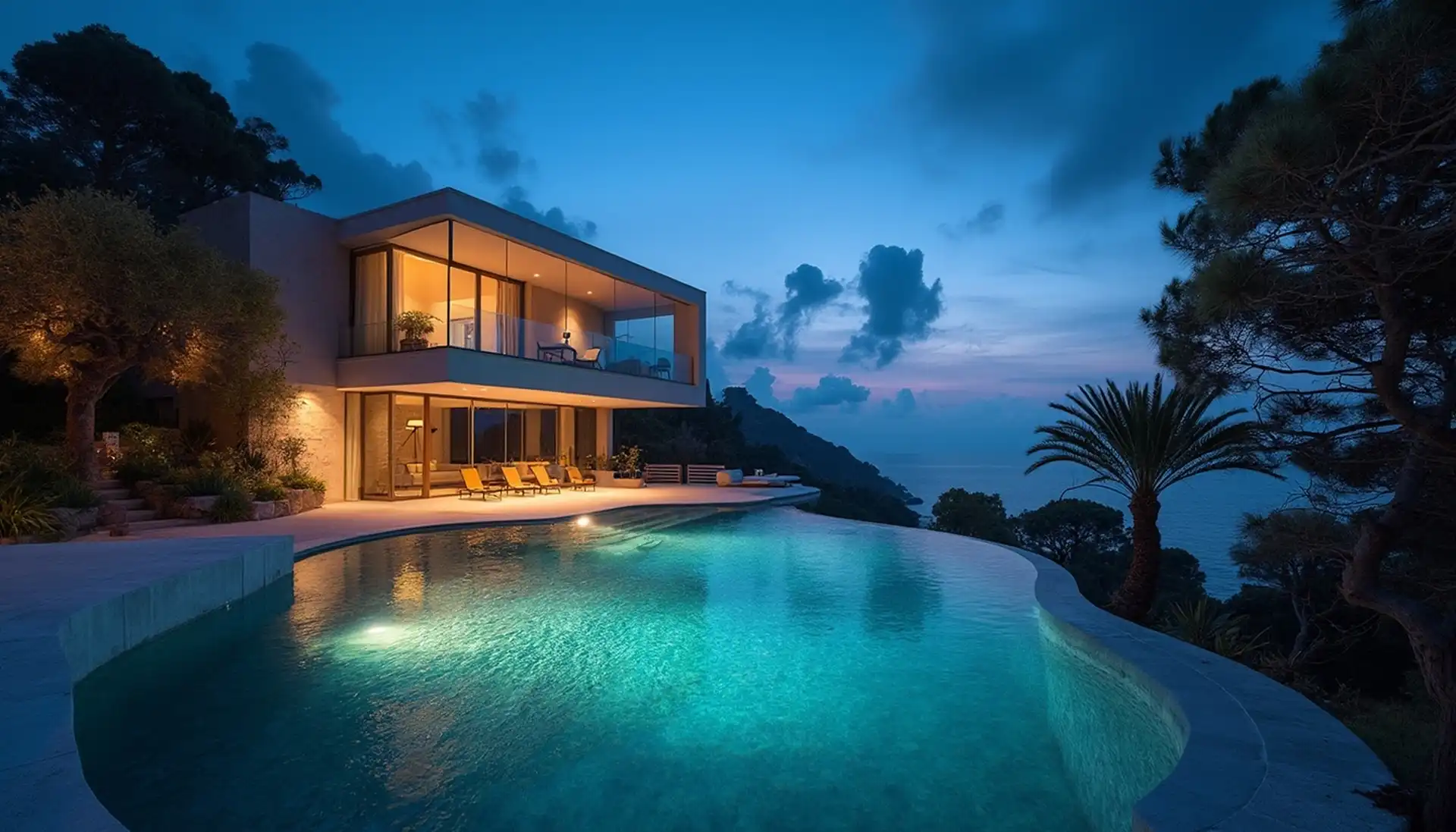
The single most reliable move in domestic planning: light every important room from two directions. It does not need to be symmetrical. A large opening on the long side and a modest one at the end, or a high clerestory on the opposite wall, will do.
Two-sided light removes the harsh contrast that makes a room feel like a stage. It reveals texture, because surfaces are lit across as well as head-on. And it doubles the hours of the day in which the space works without a switch.
A room lit from one side is a photograph. A room lit from two is a place.
Henrik Vestergaard, architect, Aarhus
The 12 metre number
Which brings us to the rule that governs floor plates in offices and, quietly, houses too. A space lit from both sides, with generous head heights, works to a depth of about 12 metres before the middle goes dead. Beyond that you need a courtyard, a light well, a rooflight or artificial light for eight hours a day.
If your plan has a habitable zone more than 6 metres from any window, mark it now and decide what it will be. It is a cinema, a pantry, a wine store or a corridor. It is not a study, and it will never be a kitchen anybody enjoys.
Rooflights are not a shortcut
A horizontal rooflight delivers roughly three times the light of a vertical window of the same area, which is why they rescue dark plans. It is also why they overheat: three times the light is three times the gain, arriving from the hottest part of the sky.
Used well, they are north-facing monitors, shaded lanterns, or slots placed against a wall so the light washes a surface rather than falling on a table. Used badly, they are holes in the roof that make a room too bright in June and no better in December.
The colour of the surfaces changes the number
Daylight depth is not fixed. It moves with the reflectance of what the light lands on, and the ceiling matters more than any other surface, because in the first two metres of a room most of the light reaching the back has bounced off it.
A ceiling at 85 per cent reflectance, in other words near white, pushes useful light perhaps a metre further into a room than a ceiling at 55 per cent. A dark timber ceiling, beautiful as it is, costs you that metre. That is a fair trade in a bright climate and an expensive one in a northern flat.
The wall opposite the window matters second. The floor matters least, which is why a dark floor and a pale ceiling is almost always the right combination in a deep room.
Glare is a separate problem
A room can be technically bright and unusable. Glare comes from contrast, not from quantity: a bright window in a dark wall, a screen with a window behind it, a low sun sitting directly in the field of view.
Three moves fix most of it. Splay the reveal, so the wall next to the window is lit rather than dark, which reduces the contrast at the frame. Put a window on a second wall, so the eye has somewhere else to adapt to. And never place a desk facing a window or with a window directly behind it, which is the arrangement almost every home office ends up with.
The measure that matters
Stand in the room at four in the afternoon in November, with no lights on, and try to read a paperback in the darkest corner. If you can, the plan works. If you cannot, no amount of white paint will fix it, because the problem was decided the moment somebody drew a room 8 metres deep with one window in it.